
Generative AI: Use cases, applications, solutions and implementation
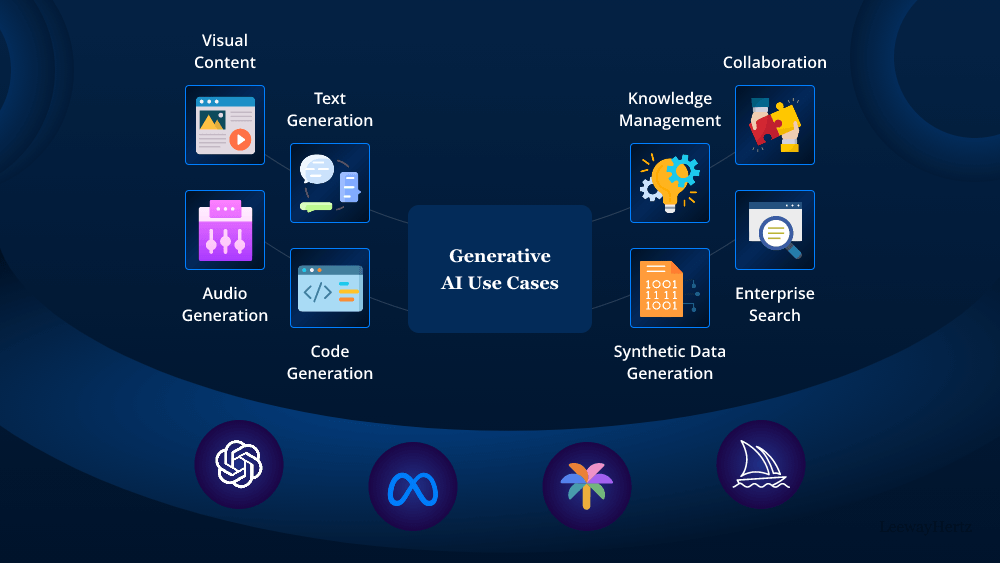
Generative AI demonstrates versatile applications across diverse industries, leveraging its capacity to create novel content, simulate human behavior, and generate innovative outputs based on learned patterns.

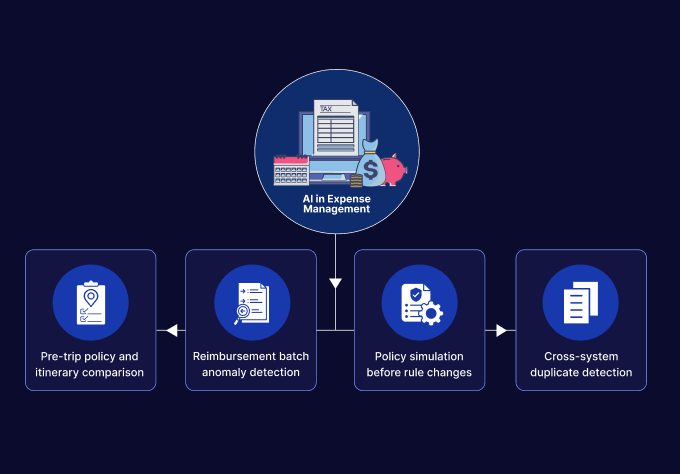
AI in Expense Management: Use Cases, Agentic Workflows and Governance
AI changes expense management work by analyzing receipts, transactions, policies, and supporting records before a traveler, approver, auditor, accountant, tax analyst, or compliance officer reviews them.

AI in Purchase Order Management: Processes and Use Cases
The highest-value AI use cases in PO combine repeated volume with direct control, working-capital, supplier-performance, or service-continuity impact.
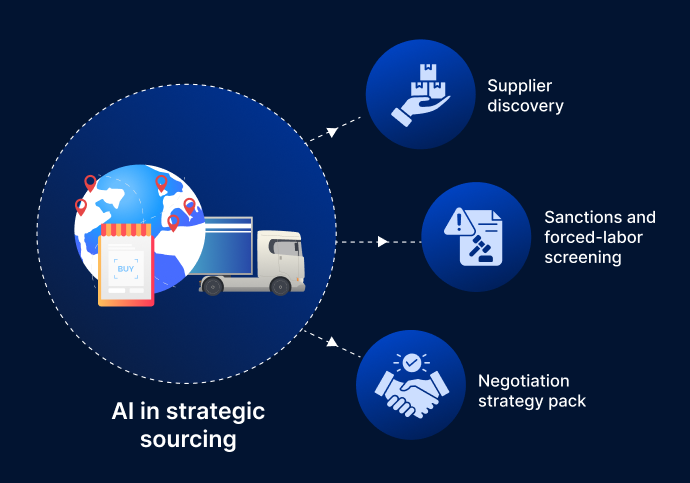
AI in Strategic Sourcing: Mapping Processes and Subprocesses Across Operating Model
AI changes strategic sourcing by analyzing artifacts in advance, connecting evidence across systems, and preparing a clear, decision-ready brief for specialist review.

GenAI in Biopharma: Use Cases, Operating Model and Governance
Biopharma is one of the strongest industries for generative and agentic AI because its work sits at the intersection of regulated documents, structured data, scientific judgment, exception management, and controlled handoffs.

AI in Sales Closure and Order Entry: Processes, Sub-processes, and Use Cases
Sales closure and order entry combine judgment-intensive commercial work with high-volume document handling, cross-system validation, and governed system updates.

AI in financial planning and analysis: Mapping functions, processes and sub-processes across the operating model
AI changes FP&A work by analyzing structured and unstructured planning artifacts before a finance professional opens them, connecting information across systems, and preparing the evidence required for review.
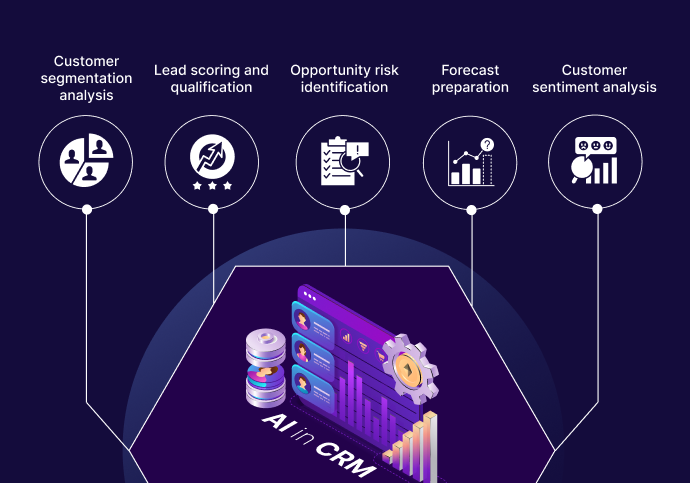
AI in Customer Relationship Management: Processes, Use Cases, and Enterprise Operating Model
AI opportunities in CRM become clearer when the operating model is decomposed across functions, processes, and sub-processes.
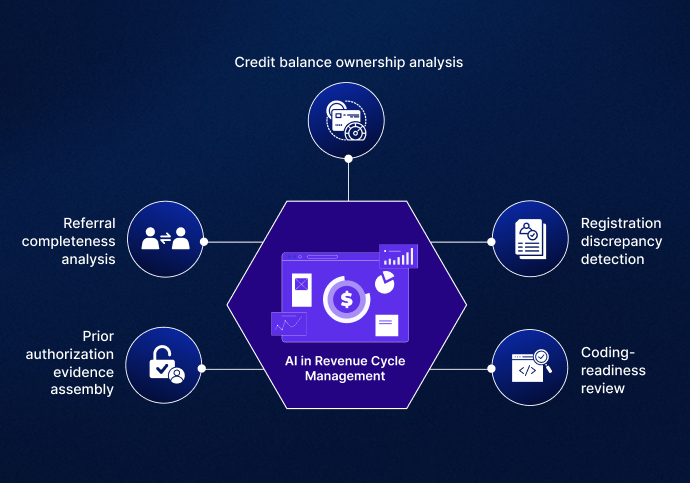
AI in Healthcare Revenue Cycle Management: Operating Model, Functions, Processes and Sub-processes
Organizations should prioritize AI in RCM investments based on operational impact, implementation readiness, and governance requirements, not according to the apparent sophistication of the underlying model.
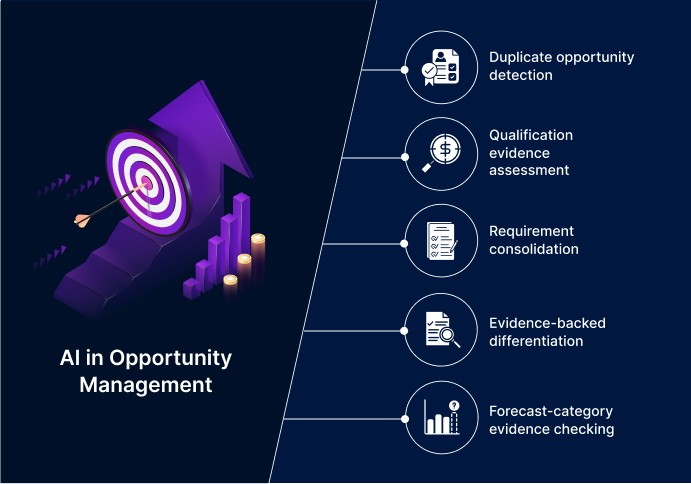
AI in Opportunity Management: Use Cases, Operating Model and Agentic Workflows
AI changes opportunity management by improving how organizations assemble evidence, interpret signals, identify exceptions and coordinate work across systems
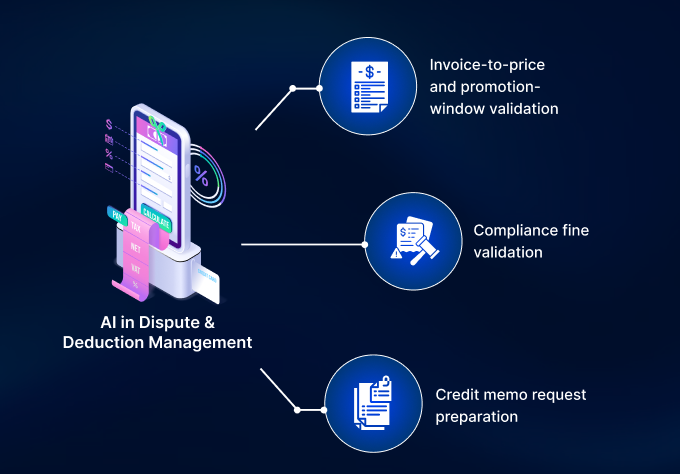
AI in Dispute and Deduction Management: Use Cases Across the Operating Model
Organizations should prioritize AI application in deduction management based on evidence availability, recovery potential, reviewer accountability, and the financial consequences of an incorrect decision.
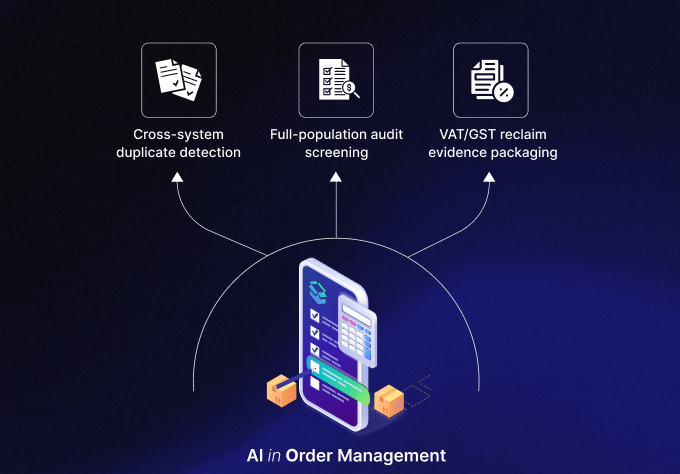
AI in Order Management: Processes, Use Cases, and Operating Model
The most valuable AI opportunities emerge when order management is mapped beyond broad process labels and into the specific activities that make up the work.
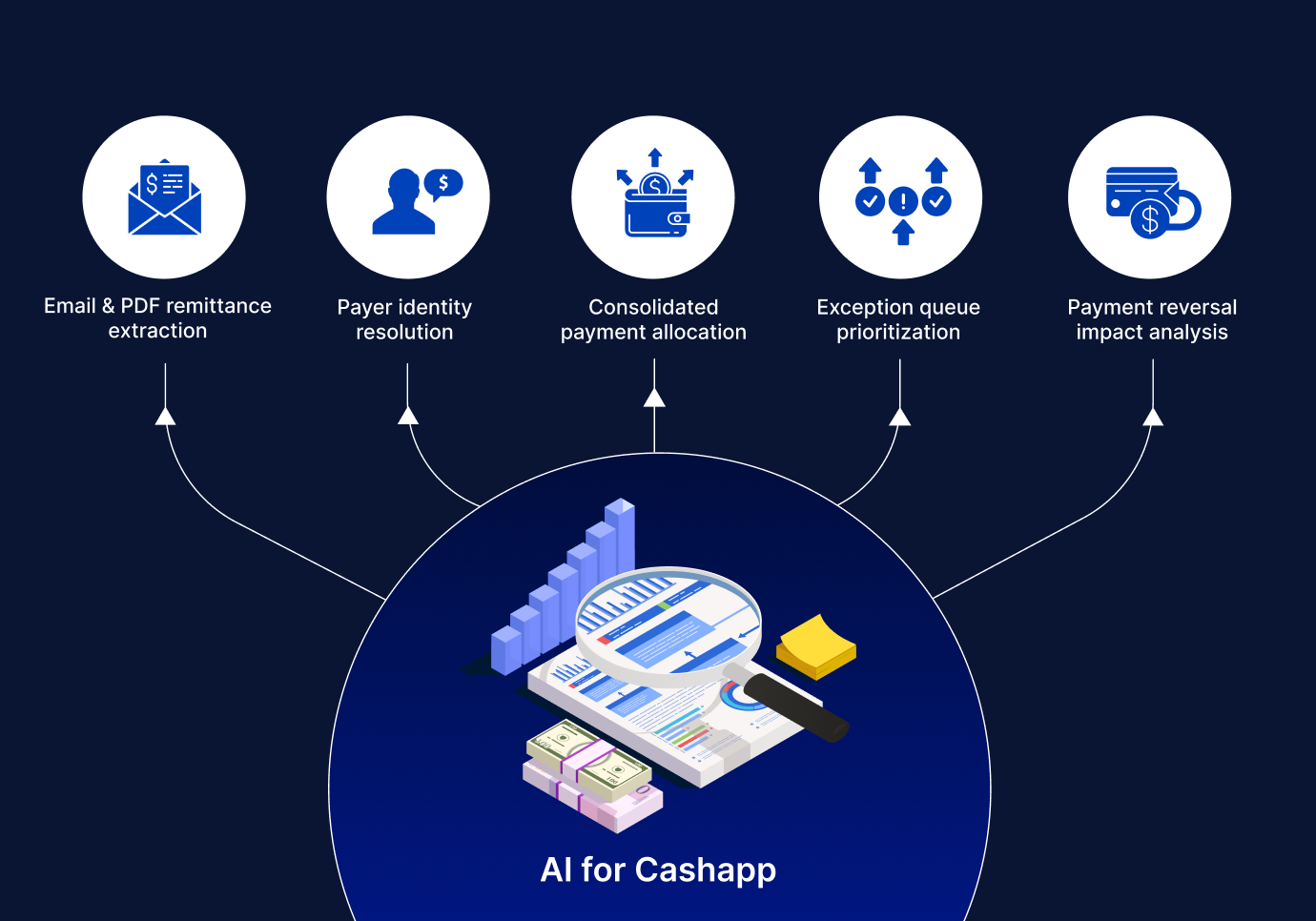
AI for Cash Application: Use Cases, Operating Model, and Agentic Workflows
AI is transforming cash application by moving the function from manual reference lookup and spreadsheet-based matching toward evidence-linked, exception-driven work.


Follow Us


